For new parents

Welcome, little one.

The first weeks home with a newborn are tender, exhausting, and full of questions. This page is a practical guide — what to bring to your first visit, what we'll watch for, and when to call us. You don't have to figure any of it out alone.

01Before you walk in

What to bring to your first visit.

The most important thing you can do before your first appointment is grab the discharge summary from the hospital. It tells us your baby's birth weight, any concerns from the nursery, screening results, and what vaccines were already given. Everything else, we can help you with — but that document saves us hours.

2

Insurance card & $100

Please bring your insurance card. A $100 payment is due at the time of service for your first two newborn visits — regardless of insurance. Once we have your baby's card on file, we'll submit the claims and refund you for whatever insurance reimburses. See our newborn insurance policy for the full picture.

3

A list of medications & supplements

Anything your baby is taking — vitamin D drops, gas drops, prescribed antibiotics, probiotics. Brand name and dose if you remember. A photo of the bottle on your phone works fine.

4

A diaper, a feeding, and a question list

Bring a fresh diaper and a feeding (bottle or breast — whichever you're using). Jot down questions on the way in. Sleep deprivation steals them; paper doesn't.

5

Both parents, if you can

Two sets of ears catch twice as much. If only one of you can make it, that's completely fine — we'll send notes home through the patient portal.

First-year visits

A gentle cadence for the first year.

Well-baby visits in the first year are how we catch the small things early and celebrate the big things on time. Here's the rhythm we recommend.

2d
Days 2–3

Welcome visit

Weight check, jaundice screen, feeding review, your questions.

2w
2 weeks

Growth check

Should be back to birth weight; we look at feeding and sleep.

1m
1 month

One-month check

Growth, head shape, reflexes, and what to expect next.

2m
2 months

First vaccines

Major immunizations begin. Tylenol on hand is a good idea.

4m
4 · 6 · 9 · 12 mo

Steady checkpoints

Vaccines, milestones, nutrition transitions through year one.

Important · Coverage

A note about your newborn's insurance.

We understand that welcoming a new baby is an exciting and exhausting time for families. During this period, insurance enrollment for newborns can sometimes be confusing.

Many parents are told that their baby is automatically covered under the mother's insurance for the first 30 days. While this may be true in some cases, insurance companies still require the baby to be formally added to the policy. Unfortunately, we have seen many situations where claims were later denied because the baby was not fully enrolled or updated correctly with the insurance company.

To help families avoid unexpected balances and simplify the process, our policy for newborn visits is as follows:

1
The first and second newborn visits will require a $100 payment per visit at the time of service.
2
Once the baby's insurance information and insurance card are received, we will submit the claims to your insurance.
3
If insurance reimburses us for those visits, the payment made by the family will be refunded promptly.
4
We strongly encourage parents to contact their insurance company as soon as possible after birth to ensure their baby is properly added to the policy.
If you have any questions, please contact our office at 469-581-8115. We are happy to help guide you through the process.
The first weeks at home

Feeding, sleeping, diapering — what's normal.

You will become an expert on three things very quickly. Here's what to watch for so you can tell what's typical and what deserves a phone call.

Feeding

Whether you're breastfeeding, bottle-feeding, or combining the two — your baby is doing well if they're feeding, peeing, pooping, and gaining weight steadily.

  • Frequency: 8–12 times in 24 hours; on demand, not a strict schedule.
  • Breast: 10–20 min per side; listen for swallows, not just sucking.
  • Bottle: 1.5–3 oz per feed in the first weeks, increasing gradually.
  • Burp mid-feed and after. Spit-up is common; projectile vomiting is not.
  • Vitamin D 400 IU daily for breastfed babies — we'll guide you.

Sleep

Newborns sleep 14–17 hours per day, often in 2–3 hour stretches. Safe sleep matters more than any other single thing in the first months.

  • Back to sleep, every nap and every night.
  • Bare crib: firm mattress, fitted sheet, no blankets, pillows, bumpers, or toys.
  • Room-share, don't bed-share for at least the first 6 months.
  • Swaddle until they show signs of rolling, then transition to a sleep sack.
  • Day vs. night: keep nights dim and quiet; days bright and engaged.

Diapers & output

What goes in must come out — and the pattern of wet and dirty diapers is the easiest sign that feeding is going well.

  • Day 1: 1 wet, 1 dirty. Day 2: 2 wet, 2 dirty.
  • By day 5: 6+ wet diapers, 3–4 dirty per day.
  • Color: stools shift from black tarry → green → mustard yellow.
  • Cord care: keep dry and exposed to air. Falls off in 1–3 weeks.
  • Bathing: sponge baths until the cord falls off; 2–3 times a week is plenty.

Call us right away if you see this.

Don't wait, and don't worry about bothering us — this is exactly what we're here for.

Fever 100.4°F or higher Rectal temperature in a baby under 3 months — always call.
Trouble breathing Fast, labored, or grunting breaths; flaring nostrils; chest tugging in.
Poor feeding Refusing to eat, weak suck, or fewer wet diapers than expected.
Excessive sleepiness Hard to wake, won't stay awake to feed, unusually limp.
Yellowing skin or eyes Especially if it's getting worse or spreading down the body.
Forceful, repeated vomiting Projectile vomiting — different from typical spit-up.
Inconsolable crying Hours of crying you can't soothe, especially with a tense belly.
Cord or circumcision concerns Redness spreading, pus, foul smell, or bleeding more than a spot.

Trust your gut. If something feels off and you can't name it, that's reason enough to call. New parents catch real problems all the time.

Call 469-581-8115
Vaccines & screenings

What's already done, and what's coming next.

Most newborns leave the hospital with a few important things already taken care of — a Hepatitis B vaccine, hearing screen, heart screen (pulse ox), and a metabolic blood test (the heel stick). The discharge summary tells us what was done.

If something was missed, we'll catch it at the first visit. The major vaccine series begins at the 2-month visit. We'll always explain what we're giving, why, and what to expect afterward — and we'll never pressure you.

  • At birth Hepatitis B (1st dose)Given in the hospital nursery, usually within 24 hours. Vaccine
  • At birth Hearing screenTests how the inner ear responds to sound — quick and painless. Screen
  • At birth Critical congenital heart screenA pulse oximeter on hand and foot to catch heart defects. Screen
  • 24–48 hrs Newborn metabolic panel (heel stick)Screens for 50+ rare but serious conditions caught earliest in life. Screen
  • 2 weeks Weight check & jaundice reviewBack to birth weight; bilirubin if needed. Visit
  • 2 months DTaP · Hib · IPV · PCV13 · RV · Hep BThe first major vaccine block — given as a small set of injections plus an oral drop. Vaccine
The first weeks with a newborn aren't a test. They're a relationship — between you and your baby, and between your family and ours. There is no question too small. The phone is for whenever you need it, not just for emergencies.
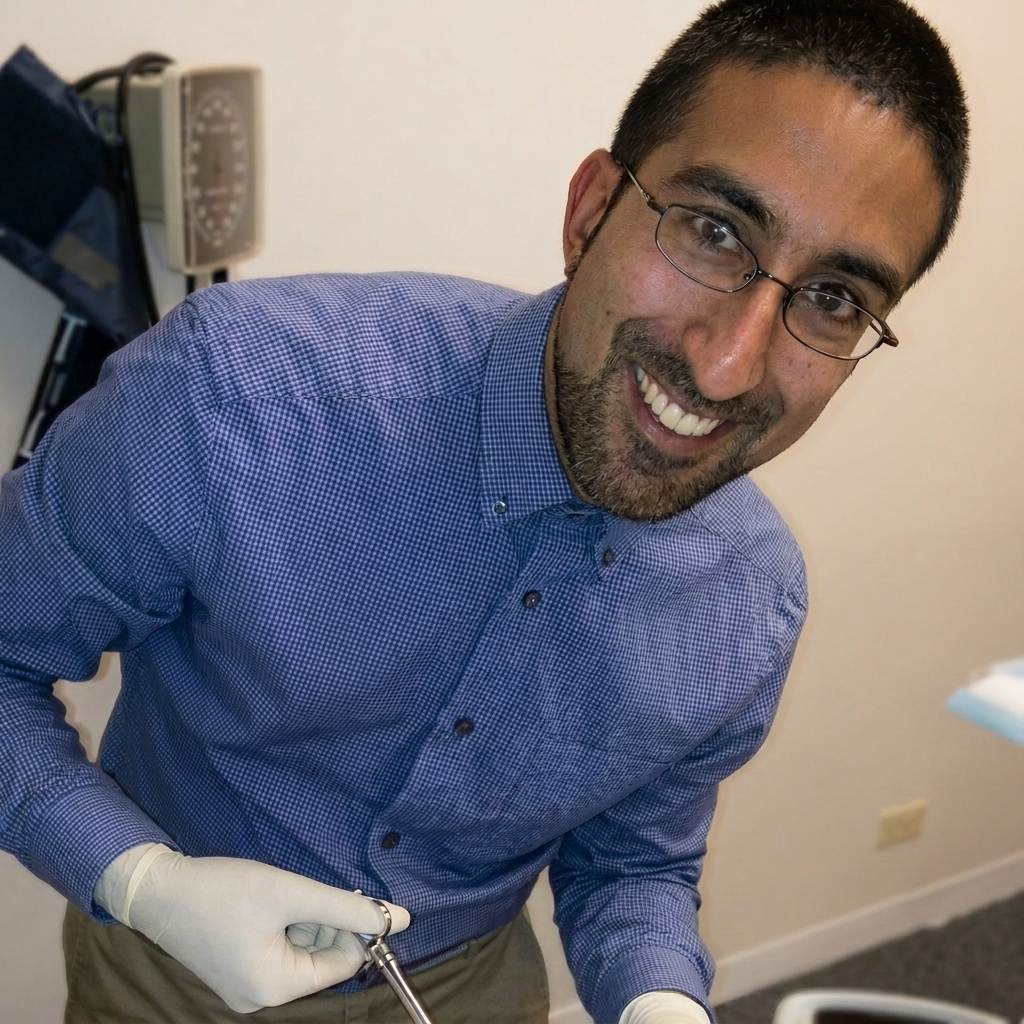
Dr. Beezer Moolji
Dr. Beezer Moolji, MD
Founder & Medical Director
Ready when you are

Let's meet your new baby.

Call us to schedule your newborn's first visit. We'll fit you in — usually within a day or two of hospital discharge. Bring the discharge summary and we'll take it from there.

Call 469-581-8115 Email us